Maximizing Your Sony 77-Inch XR TV Experience with the Right Soundbar
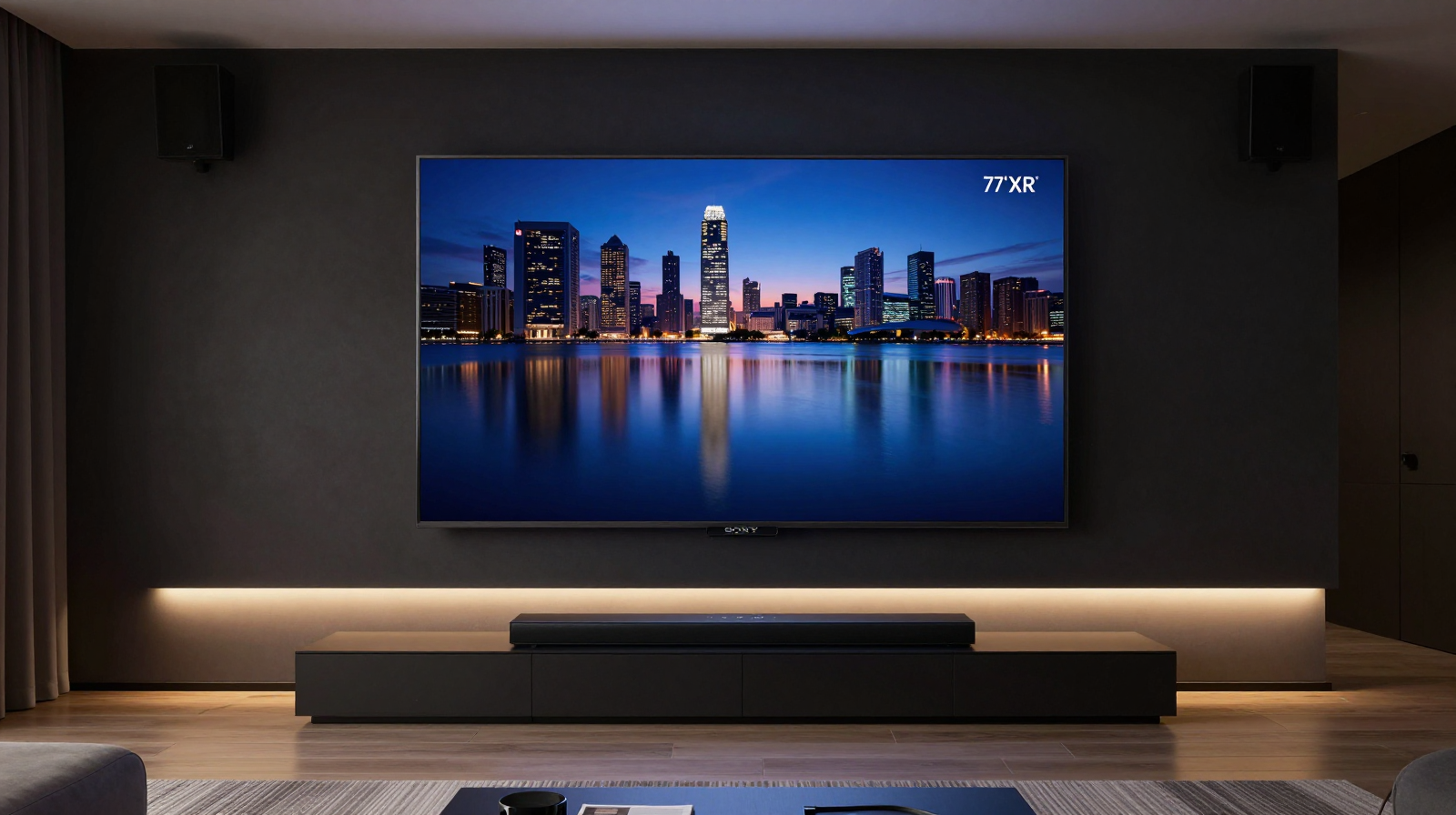
A 77-inch Sony XR TV can deliver stunning contrast, motion handling, and color processing, yet many owners still feel underwhelmed after setup. The missing piece is usually audio. TV speakers are constrained by enclosure size, placement, and acoustic direction, so even expensive panels struggle to produce convincing impact and dialogue clarity on their own. A well-matched soundbar is the simplest way to close that gap without committing to a full AVR system.
Why Soundbar Matching Matters
Not every soundbar complements a large premium TV. A smaller bar can sound thin at room-filling volumes, while oversized systems can dominate the room visually and acoustically. The best pairing balances three things: dialogue intelligibility, immersive spatial cues, and tonal consistency at moderate listening levels. For mixed use, including films, sports, and streaming, you want a sound profile that remains clear without constantly reaching for the remote.
Start With Your Room, Not the Product Page
Room size and materials
Large open-plan spaces absorb and diffuse sound differently than compact enclosed rooms. Hard surfaces such as tile and glass create reflections that can overemphasize treble. Soft furnishings reduce harshness but can also reduce perceived detail. Measure your viewing distance and consider whether the room is symmetrical; asymmetry can shift perceived center image and weaken stereo balance.
Placement limitations
If your TV is wall-mounted, ensure the soundbar can sit directly below ear line without blocking screen elements or remote sensors. If the bar sits inside a shelf cavity, expect reduced openness and bass bloom. A few centimeters of clearance can significantly improve clarity.
Connection Best Practices With Sony XR
Use HDMI eARC whenever available. It simplifies control, supports higher-quality audio formats, and reduces lip-sync headaches. Enable passthrough and verify the output format in both TV and soundbar menus. Disable redundant sound processing on one side if you hear phasey dialogue or exaggerated surround artifacts. In many cases, fewer active enhancement modes produce a more natural soundstage.
Choosing Between 2.1, 3.1, and Atmos-Oriented Bars
- 2.1 systems: compact, affordable, usually better than TV speakers but limited center-channel focus.
- 3.1 systems: stronger dialogue control due to a dedicated center channel; often the best value for mixed content.
- Atmos-oriented bars: potentially wider immersion, but performance depends heavily on room geometry and ceiling reflection quality.
If dialogue is your top priority, a well-tuned 3.1 model can outperform a poorly positioned Atmos setup in real living rooms.
Subwoofer Strategy for Balanced Impact
A subwoofer adds scale, but too much low-frequency output quickly muddies everything else. Start with moderate gain and tune by listening to dialogue-heavy scenes, not only action trailers. Bass should support the scene, not dominate it. If your room has strong standing waves, try moving the sub slightly off-center from the media console line.
Calibration Routine That Actually Works
- Set all volumes to neutral baseline.
- Play familiar movie scenes with clear dialogue and dynamic range.
- Adjust center/dialogue enhancement first.
- Then tune bass level for balance.
- Finally test late-night mode and confirm it does not flatten voices.
Repeat this routine over a few days. Ears adapt quickly, and immediate impressions can be misleading. Long-session comfort is a better performance metric than short dramatic demos.
Pros & Cons: Soundbar Upgrade for Sony 77-inch XR
Pros
- Significantly better dialogue and cinematic impact than built-in TV speakers.
- Simple setup via HDMI eARC with cleaner remote control workflow.
- Minimal footprint compared with full surround receiver systems.
Cons
- Top-tier models can be expensive.
- Room acoustics still limit performance.
- Virtual surround can vary greatly by content.
Compare Soundbar Options
Check current pricing and bundle variants before buying.
Check Price on AmazonFinal Take
Pairing a Sony 77-inch XR TV with the right soundbar transforms the experience from visually impressive to genuinely immersive. Prioritize room-aware placement, clean eARC setup, and realistic calibration over marketing claims. The result is better dialogue, better dynamics, and a system you actually enjoy every day.
Choosing by Use Case Instead of Brand Hype
If your primary use is film night and streaming series, prioritize center-channel clarity and dynamic range consistency at moderate volumes. For gaming-heavy use, look for low-latency processing modes and reliable HDMI handshake behavior. Music-first listeners may prefer bars with cleaner stereo imaging even if virtual surround effects are less dramatic.
Long-Term Ownership Considerations
Check firmware support history, app reliability, and service responsiveness before buying. Daily usability is defined by volume control behavior, source switching speed, and how often the system needs rebooting. A slightly less flashy product with stable software can outperform a spec-heavy model that behaves unpredictably.
Finally, calibrate for your actual listening routine. Most households watch at moderate volume most of the time, so tune for clarity there first. The best soundbar setup is one that sounds balanced every day, not just during demo scenes.