The Psychology of a Clean Desk: Minimalism & Productivity
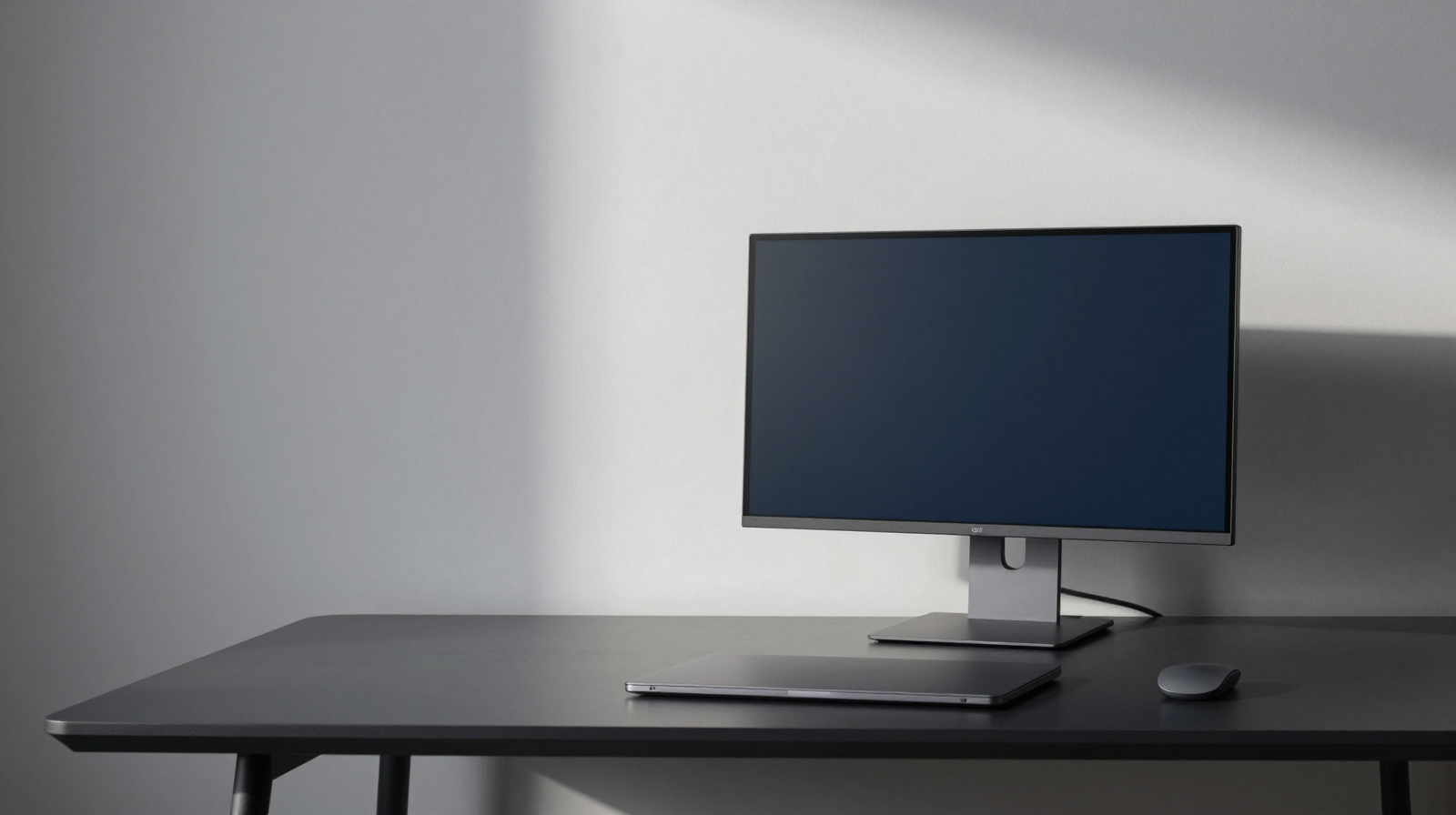
A clean desk is not just a design preference. It is a cognitive environment. The items in your visual field continuously compete for attention, even when you believe you are ignoring them. This constant micro-processing increases mental load and can reduce deep-work endurance. Minimalist workspaces are effective because they reduce unnecessary decisions, lower visual stress, and help your brain prioritize what matters.
Attention Is a Limited Resource
Human attention is selective but not infinite. Every visible object has potential relevance, so your brain allocates small amounts of processing effort to evaluate it. Sticky notes, unused devices, random cables, and packaging all become low-level interruptions. Individually they seem harmless, but together they create friction. A cleaner desk reduces this friction and improves entry speed into focused tasks.
Decision Fatigue and Environmental Noise
Clutter often increases minor decisions: where to place your notebook, where to move a charger, what to do with old receipts, whether to clean now or later. These repeated micro-decisions consume self-control that could be used for meaningful work. By standardizing desk zones and removing non-essential objects, you reduce decision fatigue before your day even starts.
Visual Calm and Stress Regulation
Research in environmental psychology suggests that chaotic surroundings can elevate perceived stress and reduce task persistence. A clean environment does not guarantee calm, but it can lower baseline irritation and improve emotional regulation under pressure. This matters in knowledge work, where high-quality output depends on sustained cognitive control.
Minimalism Is Not Emptiness
A productive minimalist desk still includes useful tools. The difference is intentionality. Keep items that directly support your current workflow and store the rest in predictable locations. For many people, that means one primary display, one input device set, a notebook, and controlled lighting. Optional tools can be kept nearby but out of primary sightline.
Practical Framework: The 3-Layer Desk Model
Layer 1: Daily essentials
Only objects used every day stay on the desk surface.
Layer 2: Weekly tools
Store in a nearby drawer or shelf for quick retrieval.
Layer 3: Archive and backup
Store less-used accessories in labeled boxes outside immediate work area.
This model keeps your workspace flexible while preserving clarity.
Rituals That Keep Desks Clean Without Perfectionism
- Two-minute reset at end of day: return each item to its default zone.
- Weekly cable check: remove temporary chargers that became permanent clutter.
- Monthly audit: eliminate one item that no longer supports active work.
Consistency beats dramatic one-time reorganizations.
Digital Clutter Also Matters
Desktop psychology applies to screens too. A chaotic file desktop and constant notification popups mirror physical clutter effects. Pair physical minimalism with notification controls, cleaner folder structures, and focused app layouts for full cognitive benefit.
When a Messy Desk Still Works
Some creative workflows involve visible references and active materials. In these cases, the goal is not strict minimalism but functional order. Group active items by project and clear them after milestones. Purposeful mess is different from unmanaged accumulation.
Conclusion
A clean desk supports focus by reducing visual noise, decision fatigue, and emotional friction. It is not about aesthetics alone; it is about protecting attention as a limited cognitive asset. Build a system that keeps essentials accessible and everything else intentionally out of sight. Over time, this small environmental discipline compounds into better work quality and lower daily stress.
Design Cues That Support Focus
Color, texture, and lighting all influence cognitive state. Neutral palettes reduce visual urgency, while one intentional accent color can guide attention without overwhelming it. Diffuse lighting lowers harsh contrast that can increase visual fatigue. Even small design choices, such as matching cable colors or reducing shiny surface clutter, can improve perceived order and control.
Behavioral Triggers and Identity
Clean desks also work as behavioral triggers. When your workspace looks organized, you are more likely to start difficult tasks because the environment signals readiness. Over time, this reinforces identity-based habits: “I am someone who works with intention.” That identity loop can be more powerful than short-term motivation tactics.
Balancing Personality and Simplicity
Minimalism does not require sterile environments. Keep one or two meaningful personal objects, such as a small plant, a framed photo, or a favorite notebook. The point is controlled personalization. Too many decorative cues compete with task cues; too few can make a workspace feel emotionally flat. Balanced minimalism supports both performance and well-being.
Applying the 80/20 Rule to Desk Objects
Most people use a small subset of tools most of the time. Identify the 20 percent of items that support 80 percent of your output and keep only those in immediate reach. Everything else can be stored nearby. This method preserves efficiency while reducing visual noise, and it prevents minimalism from becoming an all-or-nothing habit.
When your environment consistently reflects your priorities, focus becomes easier to sustain and work feels less mentally expensive.