Aesthetic Lighting & Shelves for Displaying Monster Hunter CFB & Collectible Figures
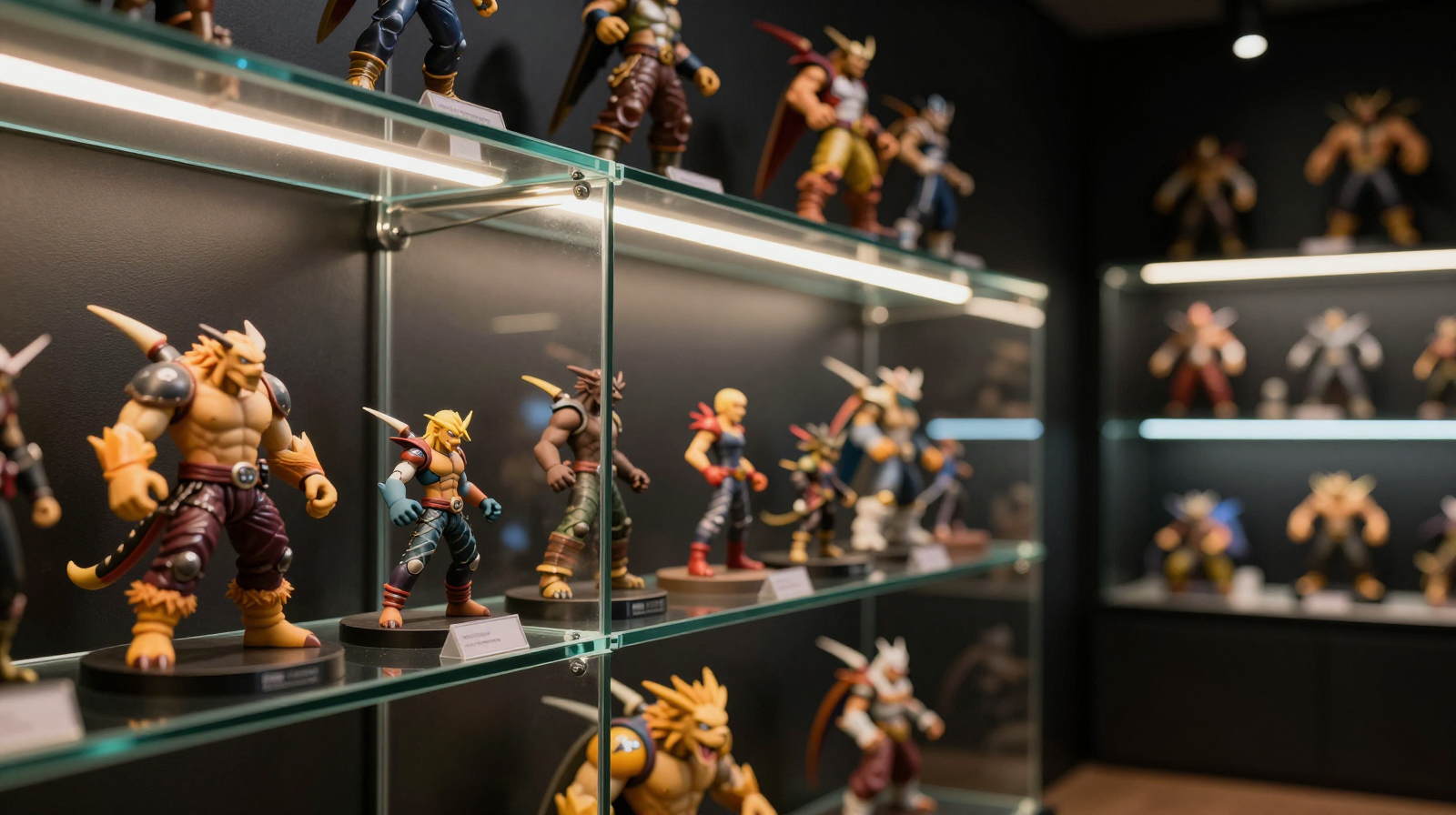
Collectible displays can easily drift into visual clutter, especially when each figure has unique scale, color, and pose energy. The goal of a premium display is not to show everything at once; it is to create narrative focus while preserving long-term condition of the collection. Monster Hunter CFB pieces and similar figures deserve controlled lighting, stable shelving, and enough negative space to let sculpt details breathe. This guide explains how to build a display that looks intentional rather than crowded.
Shelf System Selection: Form and Stability
Start with shelf depth that matches your largest figure base plus safety margin. Many collectors buy shallow shelves and end up rotating figures awkwardly just to close doors. Choose rigid materials and check load limits across the full span, not only per tier. Glass shelves look elegant, but quality hardware and anti-tip anchoring are non-negotiable when displays become heavy.
Open shelf vs enclosed cabinet
Open shelves are convenient for frequent rearrangement, but dust management becomes constant labor. Enclosed glass cabinets preserve cleanliness and make lighting control easier. If your space allows, a hybrid approach works well: hero pieces in enclosed sections, secondary pieces on open tiers.
Lighting: The Biggest Visual Upgrade
Color temperature strategy
Use neutral to slightly warm white for most painted figures. Very cool lighting can make skin tones and earthy palettes look sterile. RGB accents are useful for event mood shots but should not be your default display light if your goal is faithful color presentation.
Direction and diffusion
Top-only lighting creates harsh shadows under helmets, wings, and weapons. Combine top and front edge lighting at lower intensity for balanced sculpt visibility. Add diffusion channels to avoid visible LED hotspots reflected on glossy surfaces.
Brightness control
Dimmers are essential. Overly bright displays flatten depth and accelerate material wear risk over long periods. Moderate brightness with selective highlight zones creates the museum-like premium effect most collectors want.
Composition Rules for Better Aesthetics
- Group by theme, biome, or color family instead of random release order.
- Create one visual anchor per shelf and support with smaller secondary pieces.
- Leave intentional gaps; negative space increases perceived quality.
- Vary height through risers to avoid a flat horizon line.
Think in scenes, not storage. A shelf should communicate one idea at first glance, then reveal details on closer inspection.
Preservation and Maintenance
Dust and UV exposure are long-term enemies of paint and plastics. Keep displays away from direct sun and maintain stable room temperature and humidity. Use soft anti-static brushes and microfiber cloths for routine care. Avoid harsh cleaners on painted surfaces. For high-value pieces, document condition with periodic photos so you can catch early discoloration or lean issues.
Power and Cable Discipline
Lighting cables can ruin the premium look if they are visible across shelf fronts. Route power vertically along rear frame channels, then horizontally under shelf lips. Label power adapters and leave service slack for replacements. If you expand frequently, plan extra outlet capacity now rather than stacking adapters later.
Pros & Cons: Premium Figure Display Build
Pros
- Dramatically improves figure visibility, depth, and perceived value.
- Better dust control and long-term preservation with enclosed systems.
- Flexible layout for themed seasonal or franchise-based arrangement.
Cons
- Initial investment can be high for quality cabinets and lighting.
- Setup takes careful planning and cable routing effort.
- Limited space still forces curation decisions.
Build Your Display Kit
Compare shelf lighting, risers, and dust-control accessories.
Check Price on AmazonFinal Recommendation
Great displays come from editing, not maximizing quantity. Invest in stable shelving, controllable lighting, and disciplined composition. Your collection will look more professional, photograph better, and stay in stronger condition over time.
Photography-Ready Display Tips
If you post your collection online, design lighting for both in-person viewing and camera capture. Use high color rendering index LEDs to preserve paint accuracy. Keep one controllable key light that you can increase briefly during photos, then return to lower ambient intensity for daily display. Matte back panels often photograph better than glossy backgrounds, especially with metallic or translucent figures.
Expansion Planning for Growing Collections
Most collectors outgrow their first display layout. Plan future expansion by reserving one shelf section for incoming figures and keeping a consistent spacing rule. This prevents full rearrangement every time a new piece arrives. If budget allows, buy one additional riser and one spare light strip now so new additions match the existing visual system.
Document your preferred shelf map with quick phone photos. When cleaning or relocating, those references help restore composition quickly. Over time, this process turns collecting into curation: each shelf tells a clear story, and your display remains elegant even as the collection grows.